
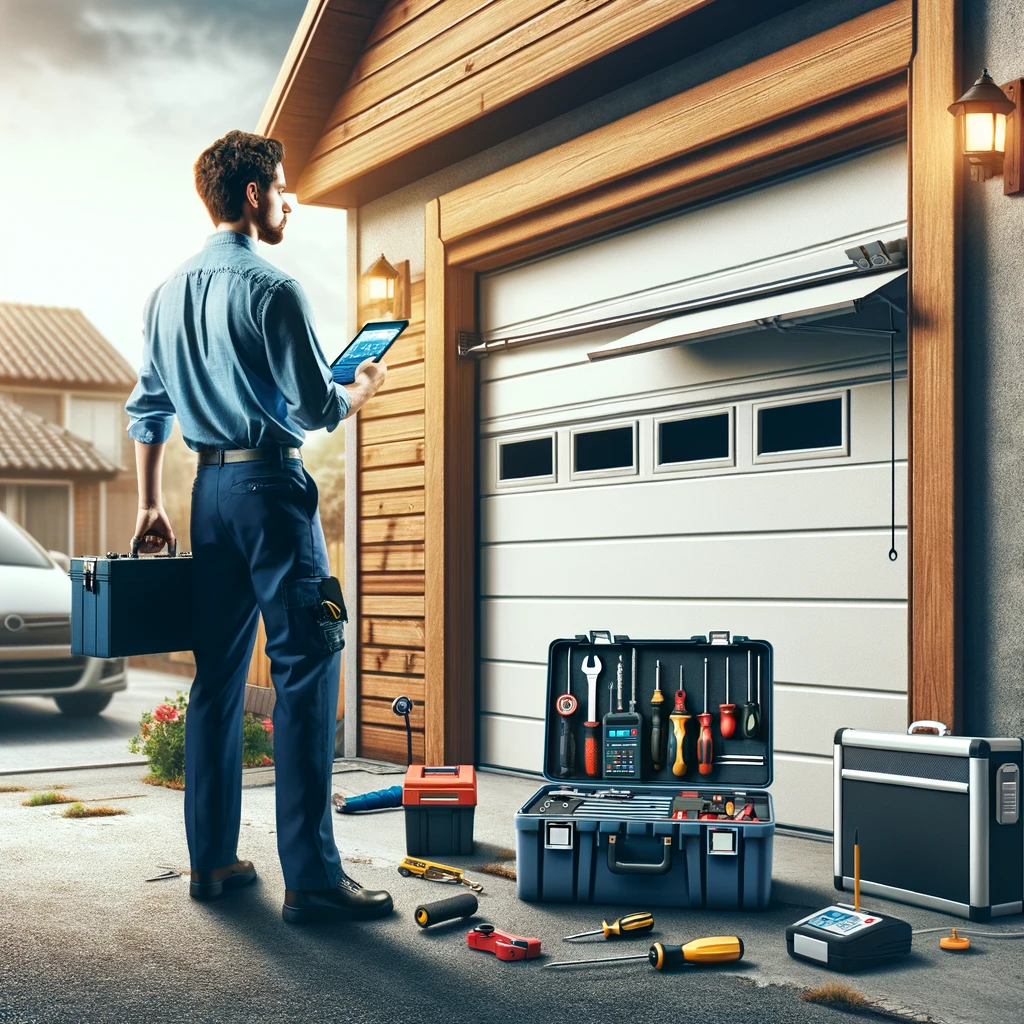
When it comes to ensuring the safety and functionality of your home, immediate and professional assistance with an emergency garage door repair is crucial. This article underscores the importance of expert intervention, especially in urgent scenarios, and highlights the efficiency and reliability of professional service compared to the very real dangers of a do it yourself attempt.
Garage door emergencies happen without warning
Garage door issues can arise unexpectedly and demand prompt attention. Whether it is a broken spring, a malfunctioning garage door opener, or a door off its tracks, these emergencies can compromise both the security and the safety of your home. In moments like these, seeking garage door repair near Riverside ensures you receive quick and competent service that minimizes inconvenience and risk to your household.
- A broken spring: the door becomes very heavy and unsafe to lift, and the spring is under extreme tension.
- A malfunctioning opener: the door may stop responding, reverse on its own, or refuse to move at all.
- A door off its tracks: the door can jam, hang crooked, and leave your home exposed.
The hidden risks of DIY repairs
DIY repairs, while tempting, carry significant risks. Without the proper knowledge, tools, and experience, attempting to fix garage door parts on your own can lead to further damage or, worse, personal injury. This is especially true for complex mechanisms like electric gate openers and sophisticated systems such as LiftMaster or Chamberlain garage door openers, where one wrong step can turn a single problem into several.
Springs, cables, and a door off its track store enormous energy and are the leading cause of garage door injuries. If your door feels heavy, hangs crooked, or you hear a loud bang, do not force it and do not try to fix it yourself. Step away and call a professional. We answer day and night at (909) 264-7415.
What expert technicians bring to the job
Professional technicians in Riverside, CA, are equipped with the expertise to handle many types of garage doors, from traditional models to modern electric gates for driveways. They can swiftly diagnose the issue and put an effective solution in place, so your garage door or electric driveway gate operates safely and efficiently again. That speed matters during an emergency, because a fast, correct repair limits both the danger and the disruption.
- Fast diagnosis: experience and the right tools mean the real problem is found quickly.
- Effective solutions: the repair is done correctly the first time, not patched over.
- Broad expertise: traditional doors, electric gates, and advanced openers are all within reach.
Warranties and protection against future emergencies
Professional service often comes with warranties, which offer peace of mind that your garage door or electric gate repair near Riverside has been performed to a high standard. For homes equipped with advanced systems like electrical gates or specific brands such as Genie garage door openers, expert technicians can provide targeted repairs and maintenance that help prevent future emergencies. Choosing professional installation or insulation also supports the longevity and proper function of your door, which further justifies the value of expert service.
In summary
While an emergency garage door repair near Riverside can be stressful, the help of a qualified professional is invaluable. By choosing expert repair services, you make sure your garage door or electric gate works the way it should, which secures your property and keeps your family safe. When something goes wrong, the fastest path back to a safe, working door is a call to a team that answers around the clock.
1. Perform a monthly visual inspection of the whole system
A quick monthly walk around costs nothing and prevents most emergency calls. Start with the door panels and section joints, looking for dents, rot, rust, cracks, warping, or separation. On steel doors, check the paint and any exposed metal that could corrode. On wood doors, look for swelling, splitting, peeling paint, soft spots, or insect damage. If the door has windows, check the frames for gaps and confirm the glass is secure.
Next, look at the tracks on both sides. They should be aligned and free of heavy buildup. Light dust is normal, but thick grime or debris interferes with roller travel. Watch for bends, dents, or loose mounting brackets. If a track looks like it is pulling away from the wall, stop using the door and arrange service before it binds or drops out of alignment.
Then inspect the rollers, hinges, and brackets. Rollers should sit squarely in the track without excessive wobble. Hinges should not be cracked at the knuckles or show elongated bolt holes. Bottom brackets are tied to the cables and spring tension, so they should never be adjusted by a homeowner. Finally, look at the springs from a safe distance. A visible gap in a torsion spring usually means it has broken. If you suspect spring damage, do not keep operating the door.
- What to look for: bent or misaligned tracks, loose hardware, frayed cables, cracked hinges, worn rollers, rust or panel damage, gaps in springs.
- How often: monthly, and after severe weather or an accidental impact.
- When to call for help: any sign of spring or cable damage, track separation, or the door binding while it moves.
2. Test the door balance to reduce strain on the opener
A properly balanced door feels surprisingly light because the springs carry its weight while the opener simply guides it. When balance drifts, the opener works harder, parts wear faster, and the door may jerk or reverse on its own. To test it, close the door, then disconnect the opener with the manual release cord, usually a red handle on the trolley. Keep the area clear and a firm grip on the door. Lift it to about waist height and let go. A balanced door stays put or moves very slowly. If it drops fast, the springs are weak. If it rises on its own, they may be over tensioned.
Repeat at roughly one third and two thirds open. A slight drift is fine, but significant movement points to a spring issue, a cable issue, or a change in door weight from water absorption or a replaced panel. Address balance promptly, because an unbalanced door wears rollers, hinges, and the opener gear, and a heavy door can be a safety risk. Never adjust torsion springs yourself, as the stored tension can cause serious injury.
- Goal: the door stays near where you leave it when disconnected from the opener.
- Signs of imbalance: the door slams shut, rises on its own, the opener struggles, uneven movement, loud popping.
- Best practice: test balance every three months, or sooner if operation changes.
3. Lubricate the moving parts with the right products
Lubrication reduces friction, quiets the door, and extends the life of hinges, rollers, springs, and bearings. Many problems start with dryness, metal on metal contact, and corrosion. The wrong product, though, can attract dirt or swell certain materials, so choose carefully. Use a garage door lubricant spray or a silicone based lubricant for most parts. Avoid heavy grease on tracks, since it collects debris and creates sticky spots. Tracks should be cleaned, not greased. Skip WD-40 as a long term lubricant. It works as a cleaner or moisture displacer, but it is not durable on high cycle hardware.
Focus on the hinge pivot points, the steel roller bearings, the torsion spring coil surface, and the bearing plates if you can reach them. With nylon rollers, lubricate only exposed bearings, not the nylon wheel. Apply a light, controlled amount and wipe away overspray so nothing drips onto the door face or floor. Run the door a few cycles afterward to spread the lubricant and listen for improvement. In humid or coastal areas, lubrication also helps fight rust. In dusty areas, use a moderate amount so you do not trap grit.
- Lubricate: hinges, roller bearings, torsion spring, end bearings, and the center bearing if present.
- Do not lubricate: tracks, unless a professional recommends a specific product for a specific issue.
- Frequency: every three to six months, and after washing the door or during a seasonal tune up.
4. Tighten the hardware, but avoid high tension components
Garage doors vibrate every time they run, and over time that loosens nuts, bolts, and screws across the hinges, track brackets, and opener mounts. A periodic tightening session keeps the door aligned and quiets rattles. Use a socket set or wrench to check hinge bolts and track bracket fasteners. Tighten until snug, but do not over torque and strip the bolts or crush thin metal. Pay attention to the hinges between sections, since they carry load as the door bends along the track. Also check the opener mounting hardware on the ceiling supports, the header bracket above the door, and the rail connection points.
There is one important safety boundary. Never loosen or tighten the set screws on torsion spring drums, winding cones, or the torsion shaft unless you are a trained professional with the proper bars and procedure. Those parts are under high torque and can move suddenly. Likewise, leave the bottom bracket hardware alone. If you notice a loose bottom bracket, cable slack, or a shifting drum, stop and call for service.
- Safe to tighten: track bracket bolts, hinge bolts, opener mounting bolts, and perimeter reinforcement bolts.
- Do not adjust: torsion spring set screws, drums, cables, or bottom brackets.
- Frequency: every six months, or whenever you hear new rattles or vibration.
5. Clean the tracks and keep the roller path clear
Tracks guide the rollers and keep the door moving smoothly, so dirt, leaves, hardened grease, and small stones create resistance that makes the door shake, squeal, or bind. Close the door and turn off or unplug the opener first. Use a dry brush or vacuum to remove loose dirt, then wipe the track interiors with a clean rag lightly dampened with mild household cleaner. Avoid soaking the area, especially near unfinished wood framing, and use a gentle degreaser only if there is sticky residue.
While you clean, look for ripples, dents, or sharp edges, because even small dents pinch rollers and create repeating thumps. Tracks should be plumb on the vertical sections and pitched slightly toward the back on the horizontal sections. Do not attempt major track bending yourself, since improper adjustments can make the door unsafe. A trained technician can realign tracks and confirm the door is square. Keep the surrounding area clear too, as brooms, bikes, and ladders stored too close are common causes of service calls.
- Tools: a vacuum, a soft brush, a rag, a mild cleaner, and a gentle degreaser if needed.
- Avoid: heavy grease on tracks and any aggressive grinding or sanding of the track surface.
- Extra step: confirm stored items are not blocking the door path or the sensors.
6. Test the safety reversal system and photo eye sensors
Modern openers include safety features that reduce the risk of injury, including the photo eye sensors near the floor and the auto reverse system that senses resistance. Test them regularly, because misalignment, dirty lenses, or wiring faults can compromise both safety and reliability. To check the photo eyes, open the door, begin closing it, and wave a long object like a broom handle through the beam near the floor. The door should stop and reverse at once. If it keeps closing, the sensors may be misaligned or dirty. Clean the lenses with a soft cloth and aim both sensors directly at each other. A steady indicator light usually means good alignment, while a blinking light often means it is off.
To test the force reversal, lay a flat, solid object such as a piece of wood where the door lands, then close the door. It should reverse promptly when it touches the object. If it does not reverse, or it presses down hard before reversing, the force settings may be too high or the system may need service. Also confirm the manual release works by pulling the emergency cord with the door closed, then re engaging it per the manufacturer instructions. A stuck release becomes a real problem during a power outage.
- Test the photo eyes: interrupt the beam while closing, and the door should reverse immediately.
- Test contact reversal: the door should reverse when it meets a solid object.
- Frequency: monthly for homes with kids or pets, otherwise at least every two to three months.
Springs and cables store enormous energy and are the leading cause of garage door injuries. Never adjust, loosen, or remove a spring, cable, or bottom bracket yourself. If the door feels heavy, hangs crooked, or you hear a loud bang, stop using it and call a professional. Call or text us any time at (909) 264-7415.
7. Keep the weather seals and bottom gasket in good shape
Seals do far more than block drafts. They reduce water intrusion, pests, dust, and temperature swings, and they help the door close cleanly against the floor. Inspect the bottom seal by closing the door and looking for daylight along the floor line, then check for cracks, flattened sections, missing pieces, or brittleness. If it is a T style or bulb gasket that slides into a retainer, make sure it has not shrunk and pulled away from the corners. An uneven floor may call for a thicker bulb seal or an adjustable threshold, chosen carefully so it does not interfere with door travel.
Side and top seals, usually vinyl or rubber, should flex and press lightly against the door. Look for tears at the corners and loosened fasteners, and replace or refasten as needed. Choose materials rated for your climate, since low quality vinyl can warp in heat and some seals stiffen in cold. Good seals protect the door itself by keeping water and salt away from steel and wood, so sweep the floor line and check the gasket after washing the door.
- Inspect: the bottom seal, the side and top perimeter seals, the corner joints, and the retainers.
- Replace when: you see daylight, feel drafts, find cracks or tears, or notice water marks.
- Add on option: a garage threshold seal can improve flooding resistance when installed correctly.
8. Clean and protect the door surface
Your garage door takes sun, rain, sprinklers, and sometimes road salt, so cleaning and protecting it prevents rust on steel, rot on wood, and fading on composite surfaces. It also helps you spot trouble early, such as bubbling paint that signals rust underneath. Wash the door with mild soap and water using a soft sponge, avoid harsh chemicals that strip paint or damage seals, and rinse thoroughly near the bottom where grime collects. On steel doors, touch up chipped paint promptly so corrosion does not spread.
For wood doors, keep the paint or stain in good condition and reseal as needed, paying special attention to the bottom rail because it is the most exposed to water. For faux wood composite doors, follow the manufacturer guidance, as some finishes need special cleaners or UV protection. Do not forget the inside face either. In humid or non climate controlled garages, moisture can condense indoors, so an occasional wipe down and a check for rust near hinges and fasteners go a long way.
- Wash: two to four times per year, more often in dusty or coastal areas.
- Protect: touch up paint chips, keep wood sealed, and inspect for rust at panel edges and fasteners.
- Watch for: bubbling paint, orange staining, soft wood, or separation at the panel seams.
9. Monitor the opener, remotes, and electrical components
The opener is only one part of the system, but it carries a lot of daily reliability, especially when the garage is the main entrance. Listen while it runs. A smooth hum is normal, but grinding, clicking, squealing, or a rising pitch can mean gear wear, rail issues, or a dry drive. Chain drives may need occasional chain tension adjustment and lubrication, belt drives need a check for belt wear, and screw drives need the specific lubricant the manufacturer recommends. Confirm the opener is mounted securely, the rail is straight, and the trolley moves smoothly, and inspect the wiring to the sensors and wall controls for damage or staples driven in too tight.
Replace remote batteries before they fail completely, especially if range drops, and keep keypad buttons clean. If your opener uses rolling code security, avoid very old remotes that may not be secure. It is also worth reviewing who has access after moving in or after a contractor finishes, and reprogramming remotes and keypads to keep access controlled. Finally, a surge protector rated for garage use can protect the logic board in areas prone to lightning, and using opener approved bulbs avoids the remote interference some LED bulbs cause.
- Listen for: grinding, squealing, excessive vibration, delayed response, or intermittent stopping.
- Check: mounting stability, rail straightness, sensor wiring, and remote and keypad batteries.
- Security step: reprogram and reset codes after moving in or losing a remote.
10. Schedule professional tune ups and act on warning signs
Even with consistent care, some tasks need specialized tools and training. A professional tune up confirms the spring tension is correct, the cables are properly seated, the drums and bearings are in good condition, and the door is aligned for smooth, safe operation. It is also the right time to replace worn parts before they fail at the worst moment. A typical visit includes adjusting spring balance, inspecting cables for fraying, verifying drum alignment, checking bearings, shafts, and rollers, tightening key hardware, checking track alignment, reviewing opener settings, and testing the safety functions.
Never ignore warning signs. Uneven movement, a sloppy looking cable wrap on the drum, or a door that hesitates in the same spot can all signal a developing problem. A loud bang often means a spring failure, repeated reversing can mean binding or a sensor fault, and a door that suddenly feels heavy is a strong sign that spring tension is compromised. Acting early protects the opener and reduces the chance of a door stuck open or closed. For businesses and multi unit properties, a documented maintenance schedule helps plan budgets and reduce downtime.
- Recommended schedule: a professional tune up once a year for standard use, twice a year for high cycle doors.
- Call promptly if: the door is heavy, the cables look frayed, the door is crooked, you hear a loud bang, or the opener strains.
- Benefit: better safety, smoother operation, fewer emergency repairs, and a longer system life.
A simple routine that ties it all together
Consistency matters more than intensity. A few minutes each month usually outperforms one long session a year, because garage door problems are progressive. Dust builds up slowly, fasteners loosen gradually, rollers wear over many cycles, and seals harden over seasons. Checking often lets you catch small changes in sound and motion that are easy to miss later. Seasonal shifts are a common trigger for service calls, since cold weather thickens lubricants and increases noise, warm weather can reveal existing misalignment, and rainy seasons expose weak seals and gaskets.
Noise is a useful diagnostic. A squeak often points to hinge pivots or roller bearings that need lubrication. A rumble can mean worn rollers with flat spots. A pop can mean a stressed hinge, a flexing panel, or spring movement. A click at the opener can mean a worn trolley or rail joint. Always diagnose with the door in motion and your hands clear, and stop using the door if you suspect a cable or spring problem. Clean habits help too, so sweep the threshold, aim sprinklers away from the door, and avoid stacking items against the inside of the door.
- Best routine: monthly inspection and safety test, quarterly lubrication, semiannual hardware check, annual professional tune up.
- Environment adjustments: clean more in dusty areas, add rust prevention near the coast, and verify seals before the rainy season.
- Core principle: if the door changes sound, speed, or smoothness, investigate right away and avoid repeated operation until you know the cause.
Quick maintenance checklist
Use this as a fast way to apply everything above without overthinking it. The goal is a door that stays quiet, balanced, and secure, with far fewer sudden failures.
- Monthly: visually inspect the panels, tracks, rollers, hinges, cables, and springs from a safe distance.
- Monthly: test the photo eyes and auto reverse, and confirm the manual release works.
- Quarterly: lubricate the hinges, roller bearings, torsion spring, and bearings, then wipe the excess.
- Semiannual: tighten the accessible hardware and check the opener mounting bolts and rail connection.
- Seasonal: clean the tracks, sweep the threshold, and inspect the weather seals, replacing them as needed.
- Annual: schedule a professional tune up for balance, spring condition, cable integrity, and a full safety check.